Gurgaon To Delhi In Just 15 Minutes! Signal-Free Corridor, Underpass To Dwarka Expressway Likely
Gurugram’s Global City will get a direct Dwarka Expressway link via a new underpass, while proposed signal-free corridors could reduce Delhi commute time to 15 minutes
Gurugram’s upcoming Global City project is set to receive a major connectivity boost after the National Highways Authority of India (NHAI) approved the construction of a 150-metre-long underpass. This underpass will link the development directly to the Dwarka Expressway, allowing vehicles to access the city seamlessly from the service lane without halting, thereby easing traffic congestion in the area.
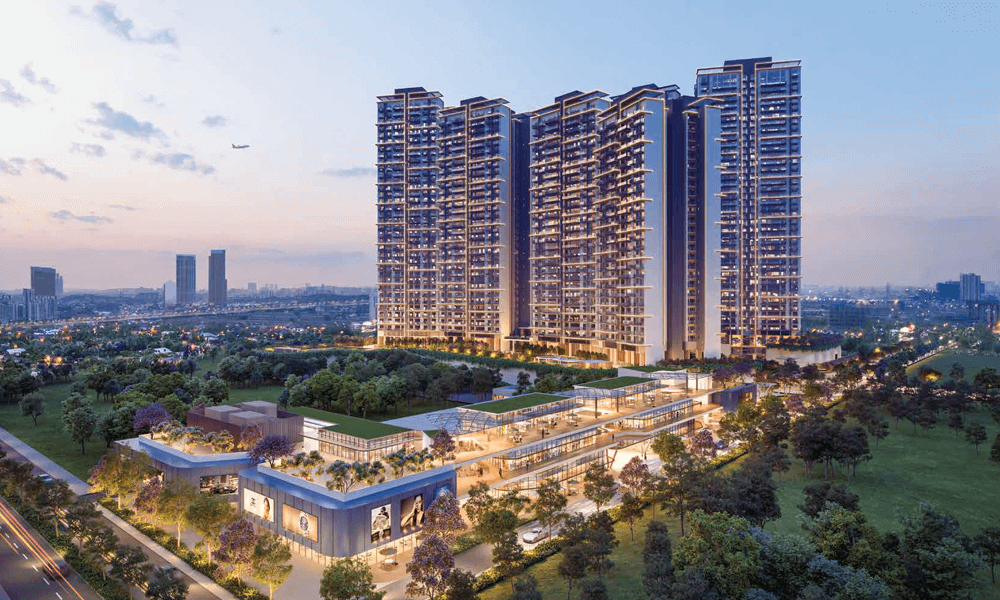
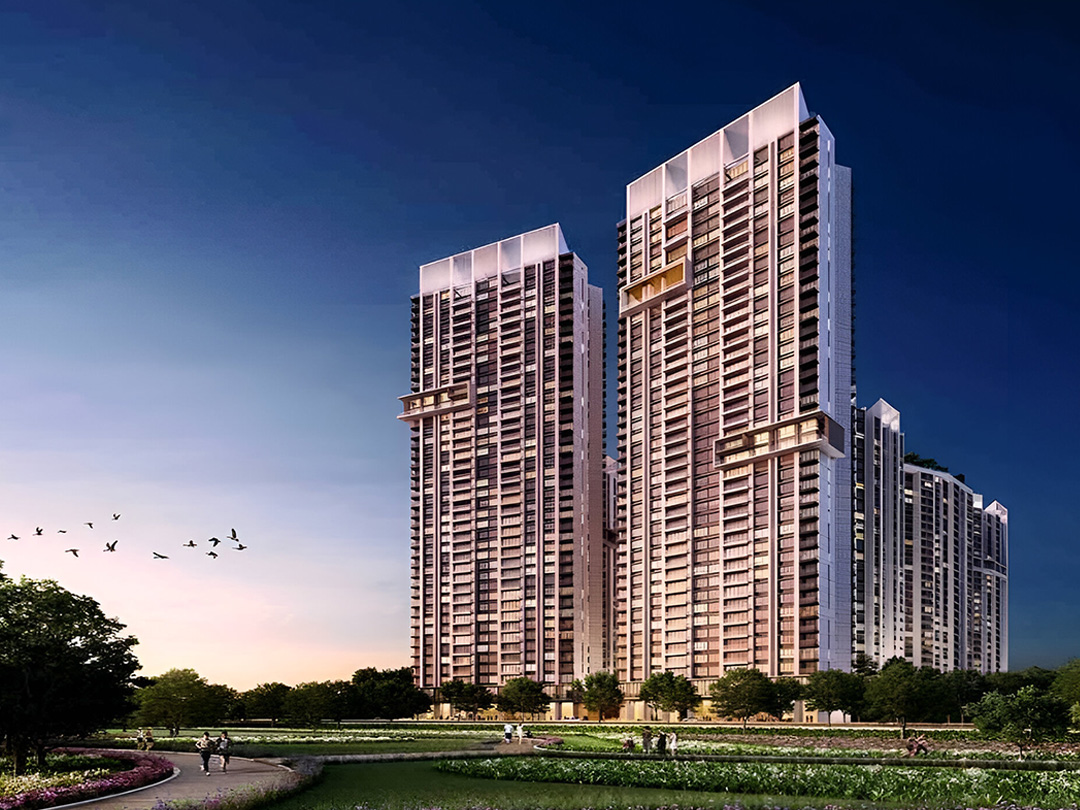
The Government of Haryana is developing the Global City across nearly 1,003 acres in Gurugram. The project will be executed in two phases, with the first phase covering 587 acres.An estimated Rs 940 crore has been allocated for the initial phase, which is targeted for completion by 2027. The city is being planned as a modern, integrated urban hub with advanced infrastructure and amenities.
The project will prioritise the development of essential services, including road networks, electricity supply, water systems, and sewer infrastructure. A utility network spanning approximately 10.5 kilometres is also planned.
Additionally, roads will be widened to strengthen connectivity with the Gurugram-Pataudi Road, ensuring smoother movement of traffic across the region.
Global City is being designed with a strong emphasis on sustainable and future-oriented mobility. Plans include light Metro connectivity, electric bus services, pedestrian walkways, and dedicated cycling tracks.
There are also proposals for future Metro expansion to the area, offering residents efficient and environmentally friendly commuting options.
Major Hub For Investment And Employment
The state government estimates that the project could attract investments worth nearly Rs 1 lakh crore and generate employment for over 5 lakh people.
The city is expected to emerge as a key centre for IT and AI-driven industries, with several major companies likely to establish offices in the region.
Delhi-Gurugram Travel Time May Drop To 15 Minutes
In a parallel development, the central government is working on a plan to significantly reduce travel time between Delhi and Gurugram. Once completed, the journey could take as little as 15 minutes, compared to the current duration of one to one-and-a-half hours.
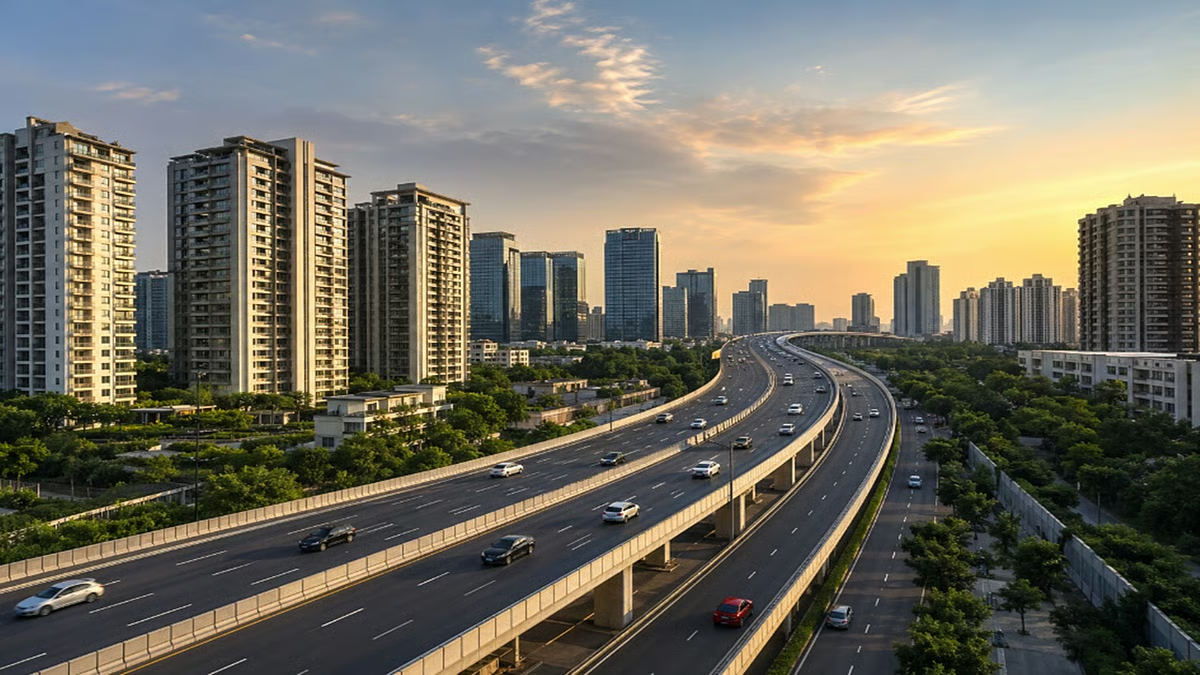
The government aims to create three major signal-free highway corridors across the National Capital Region (NCR). One of the most crucial stretches is the Mehrauli-Gurugram Road, which currently experiences heavy congestion.
With the proposed upgrades, vehicles will be able to travel without stopping at traffic signals, improving speed and reducing fuel consumption.
To support uninterrupted traffic flow, multiple flyovers and modern interchanges will be constructed at critical points, including Ashram-Badarpur and Mehrauli-Gurugram.
These developments are expected to eliminate bottlenecks and significantly ease congestion across some of the busiest corridors in the NCR.
The NHAI is also set to take over a 5.5-kilometre stretch of MG Road in Gurugram and redevelop it into a model road. A multi-level cloverleaf interchange is planned at IFFCO Chowk, which will enable signal-free movement and enhance its role as a major transit hub.
Real Estate Demand Likely To Surge
Experts believe that improved connectivity and reduced travel time will drive a sharp rise in housing demand in Gurugram. Professionals working in South and Central Delhi may increasingly prefer to relocate, leading to a likely increase in property prices and rental rates.
The broader infrastructure push is expected to not only ease traffic congestion but also stimulate economic activity across the region. Efforts are also underway to decongest key areas such as Kalindi Kunj and Punjabi Bagh.
With the introduction of signal-free corridors and enhanced connectivity, the NCR is poised to evolve into a faster, more efficient urban network, benefiting millions of commut
Quick Enquiry
Related News & Updates
.png)
.png)